Context
meaning.love
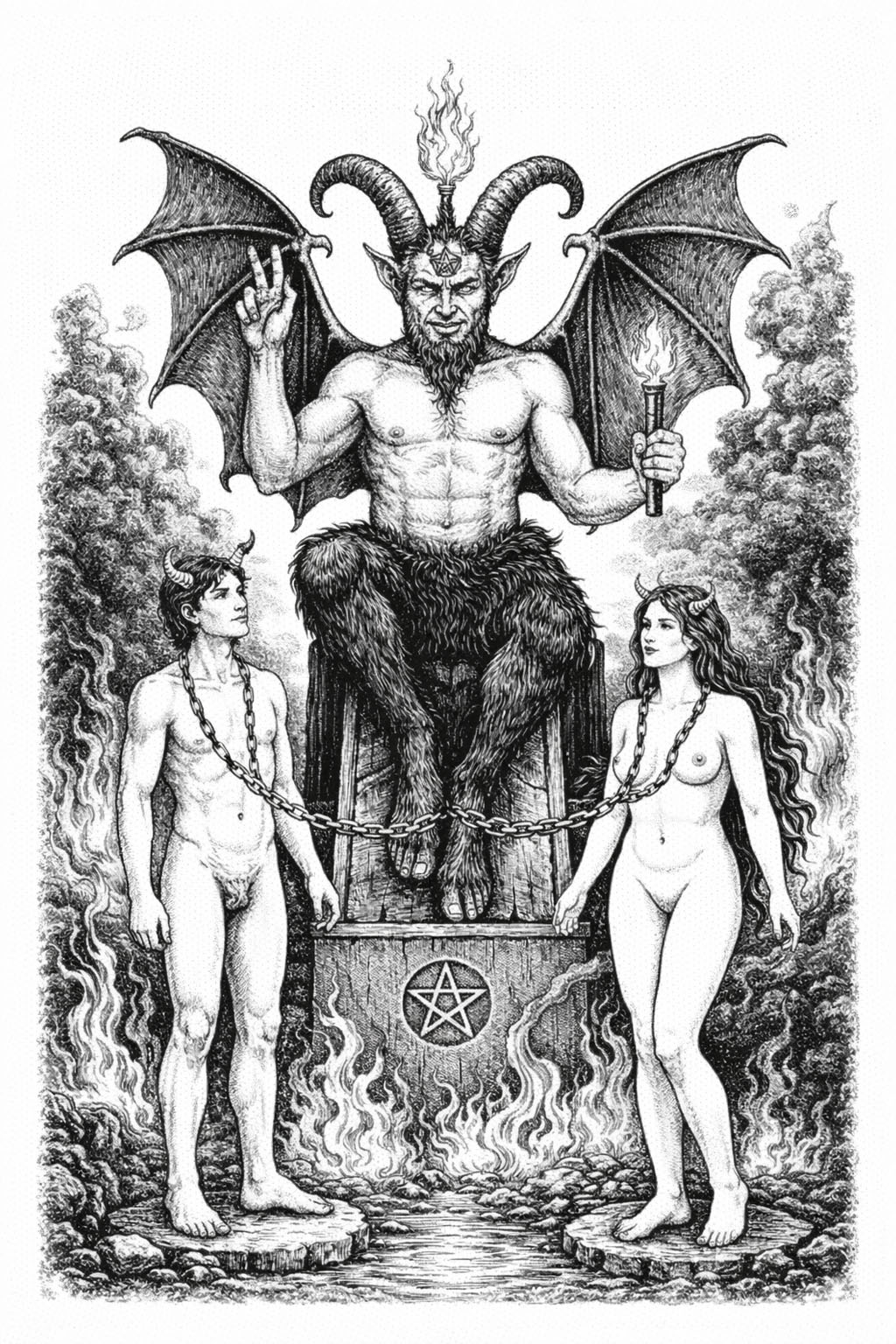
The Devil in the context of love describes dynamics shaped by compulsion, attachment, and the shadow side of desire rather than a simple moral verdict. It often points to intense chemistry or dependency that feels binding: attraction focused on physicality or control, jealousy and possessiveness, secretive or taboo elements, or patterns of manipulation and coercion. These dynamics can be sustained by fear (of abandonment, loss, or solitude), by practical entanglements (financial ties, shared responsibilities), or by unconscious repetition of familiar but unhealthy relational scripts. The card highlights how both people may participate in keeping the pattern in place—denial, rationalization, minimization of harm, or a belief that the intensity equals authenticity.
Interpreting this card in a neutral, analytical way means looking for where power is distributed, what needs are being unmet, and how desire and fear are shaping choices. It also invites examination of boundaries, consent, and the role of dependency versus mutual support. As an educational prompt, The Devil encourages exploration of underlying motivations: which impulses are driving behavior, which habits are being mistaken for love, and how much agency each person actually has within the dynamic. The card can signal an opportunity for greater self-awareness and for addressing unhealthy patterns through honest communication, clearer boundaries, and therapeutic or practical work to disentangle codependent arrangements. It does not predetermine outcomes; rather, it maps the psychological terrain that underlies intense or problematic romantic situations, offering a language to recognize what is at stake and what areas may need attention.
meaning.job
In a career reading, The Devil tends to highlight structural and psychological constraints rather than literal destiny. It points to situations where material rewards, external validation or fear of loss keep people in roles or patterns that limit autonomy and growth. This can show up as feeling trapped by a job, over-identification with professional status, dependence on a demanding boss or toxic workplace dynamics, compulsive overwork, or compromises of ethics for income or advancement. It can also flag contractual entanglements, debt-driven choices, or seductive short-term gains that undermine longer-term wellbeing.
Analytically, the card invites examination of power relationships, motivations, and attachments: who or what is benefiting from the current arrangement, and how much agency remains? It also signals shadow dynamics such as addiction to stress, manipulation, or a tendency to repeat limiting habits. In a constructive reading the Devil can be read as a prompt to map the constraints clearly, distinguish between external limitations and self-imposed ones, and explore ways to reclaim autonomy or reframe goals. Interpreting this card in career matters is most useful as a diagnostic lens for recognizing where leverage, boundaries or ethical clarity are most needed, rather than as a fixed prognosis.
meaning.finance
In a financial context, The Devil highlights dynamics of dependence, constraint, and the shadow side of material concerns. Symbolically it points toward situations where money-related decisions are driven by compulsion, fear, status, or short-term gratification rather than deliberate planning. The card does not predict outcomes; it focuses attention on the quality of the relationship with money and the structural or psychological forces that shape financial choices.
Practically, this can manifest as burdensome debt, high-interest or predatory lending, addictive spending patterns, entangling contracts, or investments pursued for the thrill rather than sound analysis. It can also indicate power imbalances tied to income—coercive employment conditions, financial manipulation within relationships, or obligations that limit freedom. The Devil encourages scrutiny of any arrangement that feels constricting or emotionally charged despite offering apparent material gain.
Interpretation should be context-sensitive. The surrounding cards and the question asked determine whether the emphasis is on external constraints like abusive lenders or employers, internal drivers such as compulsive buying or fear of scarcity, or a mix of both. Attention to details—payment schedules, interest rates, contractual clauses, and recurring spending patterns—will usually clarify whether the card is flagging a practical risk or a psychological pattern.
For an educational reading approach, focus on distinguishing temporary temptation from structural harm, and on separating symbolic language from literal financial facts. Consider whether apparent opportunities carry hidden costs and whether current behaviors serve long-term goals. An analytical next step often involves reviewing budgets and contracts, seeking independent financial advice, and exploring behavioral strategies to reduce compulsive or fear-driven decisions.
When The Devil appears reversed in relation to finances, material bondage may be loosening, awareness of unhealthy patterns
meaning.family
In the family context, The Devil signals dynamics of entanglement, constraint and shadow material—patterns that keep people stuck rather than free. It describes relationships shaped by control, codependency, secret-keeping, unhealthy attachments or behavior that everyone treats as normal or unavoidable. These might appear as rigid roles (who “must” provide, who “must” submit), financial or emotional dependence, manipulation disguised as care, addictions affecting household life, or unexamined rituals and taboos passed down through generations.
Interpretation here is analytical rather than prophetic: the card points to structures and choices that generate a sense of being bound, and to the psychological drivers undergirding them—fear, shame, need for security, or avoidance. It invites closer examination of how agency is distributed, what agreements are implicit, and which comforts are actually cages. Useful responses include bringing the unseen dynamics into clear, calm conversation; distinguishing responsibility from control; creating boundaries that reduce harm; and undertaking personal or family shadow work so destructive patterns can be altered. Where behavior causes significant harm, professional support—counseling, mediation, addiction services—often helps families negotiate change. The Devil in the family reading is therefore less a verdict than an invitation to understand and disentangle.
meaning.mind
In a psychological reading, The Devil points to patterns of compulsion, entanglement, and unconscious constraint rather than an external moral verdict. It highlights where fear, shame, craving or dependency are structuring thought and behavior: habitual reactions that feel automatic, relationships ridden with power imbalances or codependency, numbing strategies such as substance use or workaholism, and aspects of the self that are disowned and therefore expressed in obstructive ways. Symbolically it speaks to being bound by immediate gratification, rigid beliefs, or internalized limits that reduce agency.
Interpreting this card analytically means attending to what keeps a person stuck. That includes identifying triggers, the functions of maladaptive behaviors (what they are trying to avoid or produce), and the stories that sustain them. Useful clinical responses emphasize bringing these processes into conscious awareness, experimenting with small behavioral changes, developing distress-tolerance skills, and working on boundaries and assertiveness. Psychotherapeutic approaches that explore underlying trauma, attachment patterns, shadow material, or addictive dynamics can be helpful alongside practical habit-restructuring and environmental adjustments.
The card also implies potential for reclaiming autonomy: recognizing the chains as removable through insight, incremental practice, and support. Where compulsions, severe addiction, or safety concerns are present, collaborative work with trained professionals is recommended.
meaning.soul
When The Devil appears in the context of a person’s inner state it highlights patterns of bondage that are primarily psychological rather than literal. It points to feelings of entrapment, compulsion, or fixation: strong desires or habits that dominate thought and behavior, a sense of being controlled by impulses, routines, relationships, or material concerns. Shame, guilt, fear of loss, or an identity formed around taboo or transgressive aspects can underlie this state, producing secrecy, objectification, or repetition of self‑sabotaging choices. The imagery invites attention to the shadow: those parts of the psyche that have been disowned, projected outward, or enacted unconsciously.
Psychologically, this card often corresponds with learned coping strategies that once served a purpose but now restrict growth — addiction, codependence, rigid roles, or power dynamics that feel impossible to escape. It can also signify the distortion of desire into need, and the conflation of possession or control with safety and self‑worth. Recognition is the first step: naming the compulsion or story reduces its automatic hold and creates space for choice.
As an educational framing, this state is an opportunity for inquiry rather than judgment. Practices that support increased awareness can be helpful: reflective journaling, therapeutic work aimed at exploring underlying needs and early conditioning, somatic practices to re‑establish bodily regulation, and learning concrete boundary skills. Integration of the shadow involves acknowledging disowned feelings and impulses without acting them out, reclaiming personal agency, and disentangling identity from compulsive patterns. The card emphasizes that what feels like chains may be patterns that can be examined, understood, and gradually loosened through conscious work.