Context
meaning.love
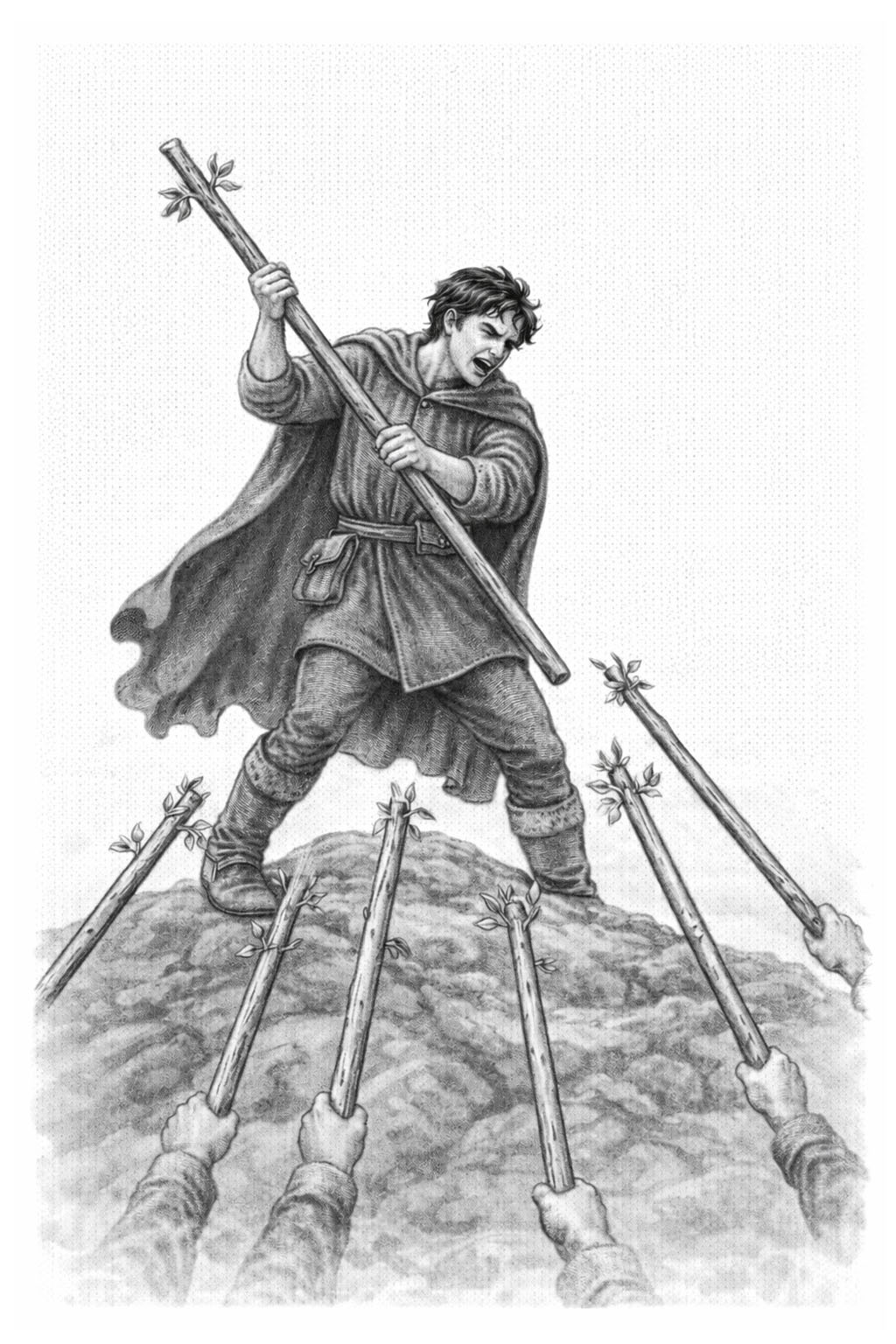
The Seven of Wands, applied to a love context, emphasizes standing one’s ground amid pressure rather than describing a fixed outcome. It characterizes situations where defenses are up, where one partner or an individual is called to assert boundaries, values, or commitments in the face of competition, criticism, or external interference. The card highlights the energy of courage and perseverance: maintaining a position that feels essential, even when challenged by rivals, differing expectations, or social scrutiny.
For someone already in a relationship, the card often points to a period requiring active defense of the partnership’s priorities—clarifying limits with friends or family, resisting undermining influences, or confronting behaviors that compromise mutual respect. The emphasis is on clear, firm communication and consistent action rather than reactive aggression. It also invites reflection about whether the effort expended to hold a position is proportionate and whether the dynamic calls for negotiation rather than perpetual confrontations.
For someone single, the Seven of Wands typically signals the need to uphold personal standards and to be prepared for competition or contrasting opinions as they pursue connections. It encourages resilience and confidence in what one seeks, while also advising discernment: distinguishing between healthy assertion of needs and unnecessary defensiveness. Potential pitfalls include hardened stubbornness, turning every interaction into a contest, or isolating oneself by refusing compromise. Viewed educationally, the card encourages assessing which battles matter, communicating boundaries respectfully, and cultivating steady inner resolve alongside openness to constructive dialogue.
meaning.job
Wands Seven (Seven of Wands) in a career context points to a period of visible challenge where maintaining position and asserting your work or ideas matter more than initiating new ventures. It often indicates competition, scrutiny, or opposition from colleagues, rivals, or institutional structures that requires you to defend your choices, achievements, or responsibilities. The emphasis is on holding ground: sustaining effort, demonstrating competence, and articulating why your approach should continue to be supported rather than on aggressive expansion or risk-taking.
Analytically, the card highlights dynamics of contest and visibility. You may be called on to justify decisions, present evidence of performance, or respond to critiques. This can sharpen priorities and force clarity about what is essential versus expendable. The situation rewards preparedness, clear communication, and a firm but proportionate response; rhetorical agility and factual documentation often matter more than emotional reaction. Because the image is about standing against multiple pressures, it also calls attention to energy management—knowing which fronts to defend and when to conserve resources is crucial.
Interpersonally, Wands Seven underscores the value of assertive boundaries and leadership under stress. It suggests cultivating a confident posture while avoiding unnecessary escalation: defend what is legitimately yours, but be open to constructive critique and willing to adapt tactics when new information merits it. Building alliances or enlisting support can shift the balance more sustainably than repeated solo confrontation. Attention to reputation and visibility is important; how you respond to challenges can affect standing and future opportunities.
For professional development, the card encourages strategic preparation—documenting achievements, clarifying roles, refining arguments, and practicing concise, evidence-based communication. It also invites self-reflection about motivations: are you defending a productive endeavou
meaning.finance
Seven of Wands in a financial context indicates a situation where resources, position, or income are under pressure and require active defense. The overall theme is maintaining ground amid competition, scrutiny, or shifting conditions; it does not imply inevitable loss or gain but highlights that an existing advantage or resource may need assertion and protection. This card often appears when someone must justify rates, defend a budget, respond to rival bids, or sustain cash flow against unexpected demands.
Analytically, the card emphasizes the energy expended in resistance: standing firm can preserve value, but it consumes time, attention, and sometimes credibility if handled defensively. It points to scenarios where negotiation, clear documentation, and a firm articulation of boundaries and value proposition are relevant. It can also signal a transient phase of heightened challenge rather than a permanent state—success depends on strategy, clarity of priorities, and realistic assessment of what is worth defending.
Potential pitfalls associated with this card include overcommitment to preserving a position that is no longer viable, reactive decision-making driven by ego, or fatigue from prolonged conflict that erodes long-term planning. Conversely, when read constructively, the Seven of Wands highlights resilience, assertive communication, and selective resource allocation as useful approaches: knowing when to hold, when to concede minor points, and when to reallocate energy toward more sustainable opportunities.
For interpretation, consider the scale and context of the financial issue at hand: whether the pressure is external (market competition, creditors, clients) or internal (budget disputes, spending habits, risk tolerance). Evaluate available evidence—contracts, cash-flow projections, competitive analysis—before concluding whether defense is the optimal stance or whether a strategic retreat or reconfiguration would better preserve long-term financial health.
meaning.family
In the family context, the Seven of Wands describes a situation in which someone is holding their ground amid pressure, critique, or competing expectations. The image of an individual standing on higher ground and fending off challenges translates here into family members asserting a decision, value or role while others question, resist, or push back. This card highlights dynamics of defense and assertion rather than cooperation; it focuses attention on who is defending what, why that matters, and how the stand affects relationships.
Psychologically, the card points to a mixture of confidence and strain. The defender may feel justified and clear about boundaries, or they may be reacting from insecurity and fear of being overridden. In families this can appear as a parent insisting on certain rules, an adult child claiming independence, a partner protecting a personal boundary, or a relative resisting a perceived encroachment. The situation often involves real stakes for identity, responsibility, or values, which is why disputes can feel heightened even if the underlying issues are practical.
Viewed educationally, the Seven of Wands invites examination of both tactics and motives. It prompts consideration of whether arguments are proportionate to the issue, whether the stance is sustainable, and whether communication is framed to defend a position or to invite dialogue. It also highlights the resource cost of continual defense: repeated confrontation can exhaust relationships and personal reserves, while a clear, calm presentation of reasons can reduce misunderstanding.
Working with this energy constructively involves refining boundaries, clarifying the reasons behind them, and choosing which struggles matter. It encourages preparation and firmness paired with listening and empathy, so that standing one’s ground does not automatically escalate into entrenched conflict. Recognizing when persistence preserves integrity and when it becomes defensive rigidity can help family members maintain both their values and t
meaning.mind
Seven of Wands, in the register of psychological states, describes a mindset characterized by alertness, defensiveness, and mobilized energy. It conveys a feeling of standing one’s ground amid challenges or opposition: the person experiences tension and readiness to defend ideas, values, or territory. Cognitive patterns often include heightened vigilance, quick reactivity, black-and-white thinking about conflicts, and a tendency to anticipate attack. Emotionally there is pride and determination alongside irritation, anxiety, or weariness if the pressure is sustained.
This card highlights resources as well as risks. Mentally, it points to resilience, assertiveness, and the capacity to maintain position under stress; behaviorally it correlates with confrontational postures, firm boundary-setting, and persistent effort. At the same time prolonged defensiveness can lead to burnout, isolation, or a narrowing of perspective that makes reassessment difficult.
For psychological work, it can be useful to explore what is actually worth defending, to differentiate between principled stands and reactive battles, and to examine how fear of loss or judgment shapes responses. Practices that broaden perspective, regulate arousal, and shore up internal resources—clarifying priorities, setting intentional limits on engagement, and incorporating rest—are relevant. The image is essentially about energy management: the capacity to hold a position under pressure, and the need to choose when to expend that energy and when to conserve or reframe the conflict.
meaning.soul
Wands Seven, in the register of inner experience, describes a psyche that feels contested and determined. It signals a state in which the person perceives pressure from external demands or internal doubts and responds by taking a defensive, assertive stance. The prevailing mood combines vigilance and stamina: there is readiness to hold a position, to defend personal values or choices, and to stay engaged despite opposition or fatigue.
Cognitively this state often involves heightened alertness, quick decision-making and a sharpened sense of what is worth protecting. Emotionally it can bring pride and resolve, but also tension, irritability, or a persistent sense of being under siege. The energy is combative rather than passive: motivation is maintained by the awareness of stakes and by the need to demonstrate competence or integrity.
Functionally, Wands Seven highlights both strengths and vulnerabilities. Strengths include resilience, clarity about priorities, and the capacity to mobilize resources under pressure. Vulnerabilities include rigid defensiveness, exhaustion from prolonged struggle, and a tendency to conflate critique with threat. When unchecked, the stance of continual defense can isolate and deplete; when balanced, it sharpens boundaries and fosters constructive assertiveness.
From an educational standpoint, working with this state means distinguishing between essential battles and avoidable conflicts, practicing calm assertiveness rather than reactive aggression, and attending to recovery so endurance does not become depletion. It can be useful to clarify values that merit defense, to seek perspective or support where appropriate, and to cultivate flexibility so that standing ground remains a deliberate choice rather than an automatic reaction.